Homeowners buy a policy to protect a house and what lives inside it. Standard homeowners policies provide broad protections, but they also include limits, exclusions, and valuation methods that surprise people at claim time. That is where riders come in. Riders, sometimes called endorsements, tailor a policy to fill gaps, raise limits, or change how losses are settled. Agents use them every day to close gaps clients do not realize exist until disaster arrives.
I spent a decade working with homeowners in urban and suburban markets, sometimes in neighborhoods where one storm would touch a dozen houses and leave each one with a different Insurance agency san antonio story. A homeowner who assumed the policy would "just cover it" found out the hard way that jewelry, water backup, or business equipment had limits or exclusions. A timely rider saved two clients from financial ruin after thefts and a sewer backup. These experiences shape how agents explain riders: precise, practical, and grounded in likely cost trade-offs.
What a rider does and why it matters A rider alters standard coverage language. It can add new coverage, increase an existing limit, narrow an exclusion, or change the valuation method from actual cash value to replacement cost. Think of the base policy as a blueprint drawn for a typical home. Riders are revisions that reflect unique risks or possessions in a specific house.
Why buy one rather than raising the entire policy limit? Increasing the policy's dwelling coverage raises premium across multiple perils and often requires higher rebuild-cost proof. Riders can be targeted and cost-efficient. For someone with a large jewelry collection, buying a scheduled personal property endorsement rather than inflating the property limit makes more sense both cost-wise and administratively.
Common riders, explained The list below covers riders you will hear about most often. Each fills a discrete gap, with typical costs and a short scenario when it matters.
Scheduled personal property - insures high-value items such as jewelry, fine art, cameras, musical instruments, or rare collections for their appraised value. Typical cost ranges from a few dozen to a few hundred dollars annually per item depending on value and risk factors. Scenario: a client with a signed guitar worth $18,000 had it stolen from a locked garage. The standard policy limit for theft would have capped recovery well below market value. The scheduled endorsement made the insured whole quickly.
Sewer backup or water backup - covers damage from water that comes up through drains or sewers. Many standard policies exclude this peril or include very low sublimits. Costs are generally modest compared with the damage a sewer backup can cause. Scenario: after a heavy storm, a home suffered two inches of sewage-contaminated water through the basement floor drain. Mitigation, cleanup, and replacement costs hit $22,000. Without the rider, the homeowner paid most of that out of pocket.
Ordinance or law coverage - pays for the increased cost to repair or rebuild when current building codes require upgrades to wiring, framing, or plumbing. Rebuilding an older home to meet modern codes can add tens of thousands of dollars. Scenario: a 1950s bungalow burned to the studs. The insured limit covered demolition and basic rebuild, but new electrical and insulation standards would have added an extra $17,500. Ordinance coverage bridged that gap.
Extended replacement cost or guaranteed replacement cost - provides additional dwelling limit above the policy's stated coverage if rebuilding costs exceed limits. Extended replacement might add a percentage, for example 20 to 50 percent above limits. Guaranteed replacement is less common and promises to rebuild regardless of cost, subject to policy terms. Scenario: during a wildfire season, contractors and materials surged in price. An extended replacement endorsement that added 25 percent to dwelling coverage spared the homeowner from a large shortfall.
Home business equipment / business pursuits - covers equipment and liability for small business operations run from home, often limited on standard homeowners policies. Costs depend on business type and exposures. Scenario: a photographer who stored several thousand dollars of camera gear and ran client shoots from a home office needed a business endorsement to ensure equipment and short-term liability were covered.
How agents assess whether you need a rider Agents do more than sell riders. They assess exposures by asking targeted questions and inspecting the property when practical. Three diagnostics that shape recommendations are items and collections inventory, property age and construction, and the household's business activity.
Inventory and valuations. Agents ask about items that exceed common sublimits. Jewelry, furs, art, and collectibles often have low theft limits under standard policies, sometimes $1,500 per item or less. If you own rings, signed art, or a collection whose replacement costs are high, schedule items with appraisals dated within a period the insurer accepts. Appraisals older than a few years should be updated to reflect market changes.
Construction and codes. Older homes often face the ordinances trap, where rebuilding to code adds substantial expense. Agents use the home age, recent renovations, and whether the home is in a historic district to recommend ordinance or law riders. They also check the local market for labor and material cost trends because those influence replacement cost estimates.
Business exposures. Today's economy encourages home-based enterprises. If you sell products online, conduct client meetings in the house, or store inventory, those exposures can invalidate or exceed homeowners limits. Agents ask about gross revenue, client visits, and overnight storage of hazardous materials to determine whether a home business endorsement or a separate commercial policy is required.
Cost trade-offs and premiums Riders raise premiums, but how much depends on the exposure type, the insurer, and the insured's loss history. Here are some ground rules from practice.
Targeted riders are generally cost-effective when the property's exposure is discrete and quantifiable. Scheduling a $25,000 engagement ring typically increases premiums by a couple of hundred dollars a year, but it eliminates the hassle of a capped claim payment. Sewer backup endorsements often cost under $200 annually, while ordinance coverage premiums rise with the dwelling limit and the local code tightening risk.
Some riders affect deductible structure. For instance, a sewer backup rider may have a separate sub-deductible such as $1,000 in addition to the base policy deductible. Read the endorsement wording for deductible language and whether it replaces or layers on top of the main deductible.
If a rider offers guaranteed replacement cost, insurers may require periodic inspections or proof of continuous occupancy. These administrative conditions can influence both availability and price. Always compare scenarios where you buy a rider versus increasing the base dwelling limit. Sometimes raising the dwelling limit is cheaper if you face multiple perils that could simultaneously affect the structure.
Appraisals, receipts, and documentation — why they matter Claims fail for lack of documentation more often than for lack of coverage. When you schedule property, carriers want supporting evidence: receipts, photos, insurance appraisals from licensed appraisers, and maintenance records. For artwork and antiques, a written appraisal with a date, appraiser's qualifications, and photos is essential.
Store receipts and appraisals in at least two places. One client I worked with kept originals at home and digital copies in cloud storage. After a break-in, the originals vanished with the rest of the house contents. The cloud copies shortened the claim process and proved value beyond reasonable doubt.
Edge cases and common misunderstandings People commonly assume homeowners policies cover every form of water damage or every high-value item. Three patterns cause trouble.
First, flood versus water backup. Flood coverage, provided through the National Flood Insurance Program or private flood policies, covers rising water from external sources. Sewer backup covers water backing up through drains internally. Both are water damage, but different policies and riders address them.
Second, business activities. A signature small-business rider might cover client visits and equipment, yet not extend to third-party product liability or contractual liability that come with selling goods online. In those cases, a businessowners policy or commercial general liability becomes necessary.
Third, replacement cost myths. Standard contents coverage sometimes pays actual cash value, which factors in depreciation. Replacement cost endorsements convert that valuation so you get the funds to replace like items, not just the depreciated value. However not every item qualifies. Insurers will often require replacement or proof of purchase for full replacement cost settlements.
Interactions with auto and other policies Insurers and agents coordinate coverages across lines. For example, someone who stores business inventory in both a car and the home needs consistent coverage. Auto insurance covers business property in a vehicle up to a limit, but it may exclude inventory held at home. State Farm and other large insurers often offer packages and endorsements across auto and home lines so agents can design a cohesive plan.
If you search for "insurance agency near me" or specifically "insurance agency san antonio," ask how agents coordinate these cross-line exposures. An agent who handles both auto insurance and home insurance will spot mismatches, such as the car policy covering only tools used for work but the home policy excluding product inventory.
Practical steps when discussing riders with an agent Agents should not guess about exposures, nor should they recommend more coverage than necessary. Here is a short checklist to take to a meeting with an agent. It helps target recommendations and speeds up underwriting.
- bring recent appraisals, receipts, and photos for high-value items. list business activities conducted at home, including inventory values and client visit frequency. document past claims and any local code updates or special local ordinances. estimate replacement cost or obtain a professional replacement-cost estimate if your home has custom features. know the mortgage lender's requirements if you have a loan, since lenders often require certain levels of coverage.
How different insurers handle riders Market practice varies. Large insurers like State Farm have standardized endorsements that are widely available and understood, making the quoting process smooth. Regional carriers or specialty markets may offer more flexible language or broader exclusions depending on underwriting appetite. When dealing with high-value homes, agents sometimes go to the excess and surplus markets for broader guaranteed replacement or for insuring unique risks like collections on loan.
Agents who work in a local insurance agency san antonio context will also account for regional perils. Coastal or flood-prone areas have particular products and different pricing dynamics. Look for an insurance agency near me that understands local contractors, rebuilding costs, and claims handling in your municipality.
When a rider is not enough There are times a rider will not suffice. Commercial risks that grow beyond home business definitions, significant rental operations, or liabilities arising from professional services usually require separate commercial policies. Similarly, extremely high-value art collections may belong in a fine-art policy through specialty markets rather than a scheduled personal property rider on a home policy.
Ask the agent about policy limits, whether a rider creates a new sublimit, and any exclusions that remain. Agents should show sample policy language and explain the claim process for that endorsement. If the agent cannot provide clear answers, seek a second opinion.
Negotiating with underwriters and price sensitivity Underwriters price riders based on risk. Simple risk mitigation steps lower cost. For example, installing a monitored alarm system often lowers the premium for scheduled jewelry or reduces theft exposure pricing. Installing a backflow preventer on your sewer line can reduce rates for a sewer backup endorsement. For art, adding a custom-framed, fire-resistant storage room will affect underwriting.
When working with clients who are price-sensitive, I prioritize riders based on probable loss frequency and severity. Scheduled jewelry and sewer backup rank high because their claim frequency is moderate but severity is high. Ordinance coverage is crucial for older homes with historic elements. We sometimes defer guaranteed replacement cost when the market shows stable construction prices, but we never skip it when a home has unique features that would be costly to replicate.
Final practical advice for homeowners Buy riders for specific, documented exposures. Keep appraisals current and store them safely. Understand where the deductible applies and whether riders have separate deductibles. Coordinate across auto and home policies so there are no gaps in business or equipment coverage. Ask agents for written explanations of how endorsements alter the base policy and for examples of past claims where those riders made a difference.

If you are searching for an insurance agency near me, interview agents with targeted questions. Mention homeowners' special characteristics up front. Ask about how they handle claims, whether they work with local contractors, and how they manage endorsements. A good agent helps you weigh premium increases against the financial consequences of uncovered losses, and they will provide scenarios with numbers rather than vague assurances.
Riders seem like small additions, but they make insurance fit reality. When you think of insurance as a tailored set of protections rather than a single product, your choices become clearer, and your home is more likely to be restored when the unexpected happens.
Business Information (NAP)
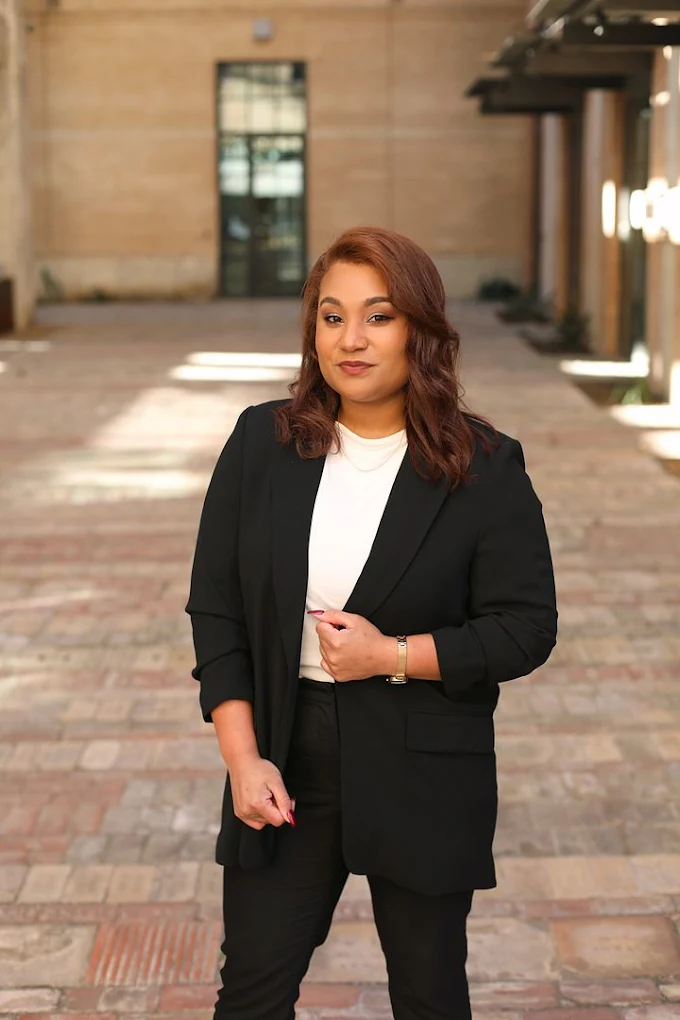
Name: Lorena Villa - State Farm Insurance Agent
Category: Insurance Agency
Phone: +1 210-695-2211
Website:
https://www.statefarm.com/agent/us/tx/san-antonio/lorena-villa-257x6422000
Google Maps:
View on Google Maps
Business Hours
- Monday: 9:00 AM – 6:00 PM
- Tuesday: 9:00 AM – 6:00 PM
- Wednesday: 9:00 AM – 6:00 PM
- Thursday: 9:00 AM – 6:00 PM
- Friday: 9:00 AM – 1:00 PM
- Saturday: Closed
- Sunday: Closed
Embedded Google Map
AI & Navigation Links
📍 Google Maps Listing:
https://www.google.com/maps/place/Lorena+Villa+-+State+Farm+Insurance+Agent
🌐 Official Website:
Visit Lorena Villa - State Farm Insurance Agent
Semantic Content Variations
https://www.statefarm.com/agent/us/tx/san-antonio/lorena-villa-257x6422000Lorena Villa - State Farm Insurance Agent helps customers protect their homes, vehicles, and financial future offering auto insurance with a customer-focused approach.
Local clients rely on Lorena Villa - State Farm Insurance Agent for dependable protection designed to help safeguard families, vehicles, property, and long-term financial security.
Customers can request personalized quotes, policy comparisons, and insurance advice supported by a knowledgeable insurance team committed to helping clients choose the right coverage.
Contact the office at (210) 695-2211 to discuss policy options or visit https://www.statefarm.com/agent/us/tx/san-antonio/lorena-villa-257x6422000 for more information.
Get directions instantly: https://www.google.com/maps/place/Lorena+Villa+-+State+Farm+Insurance+Agent
People Also Ask (PAA)
What services does Lorena Villa - State Farm Insurance Agent provide?
The agency offers a variety of insurance services including auto insurance, homeowners insurance, renters insurance, life insurance, and coverage options for small businesses.
What are the office hours?
Monday: 9:00 AM – 6:00 PM
Tuesday: 9:00 AM – 6:00 PM
Wednesday: 9:00 AM – 6:00 PM
Thursday: 9:00 AM – 6:00 PM
Friday: 9:00 AM – 1:00 PM
Saturday: Closed
Sunday: Closed
How can I contact Lorena Villa - State Farm Insurance Agent?
You can call (210) 695-2211 during business hours to request insurance quotes, review policy options, or speak with a licensed insurance professional.
What types of insurance policies are available?
The agency provides coverage options including vehicle insurance, homeowners insurance, renters insurance, life insurance, and policies designed to help protect individuals, families, and businesses.
Where is Lorena Villa - State Farm Insurance Agent located?
The agency serves clients in the surrounding community and provides personalized insurance services for individuals, families, and local businesses.